What Bradford can teach brands and institutions about cultural relevance
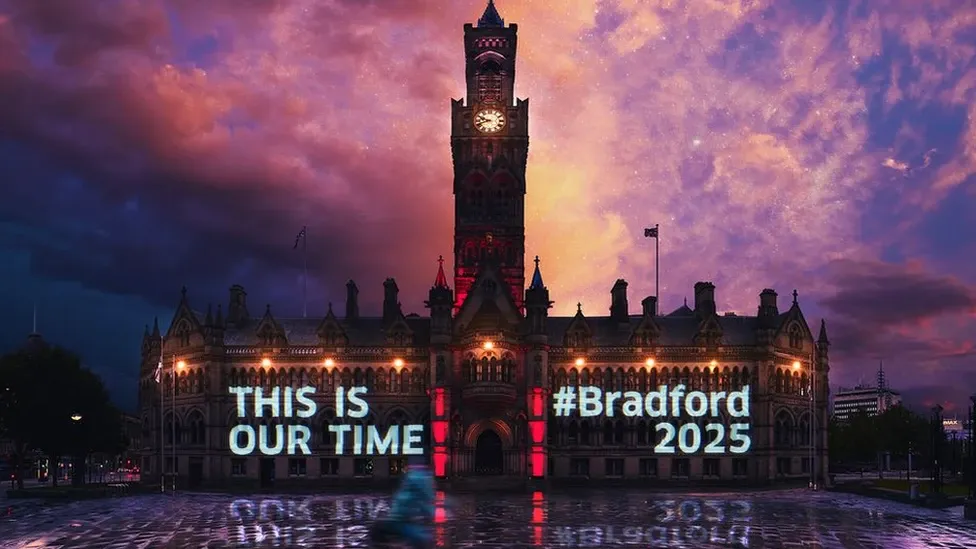
What Bradford can teach brands and institutions about cultural relevance
Changing perceptions is a familiar challenge for brands.
An organisation may have a rich story to tell yet struggle to shift established assumptions or connect with new audiences. This is the central theme that stuck us from our latest podcast with Shanaz Gulzar, Creative Director of Bradford 2025 and now Bradford Culture Company.
Bradford’s experience as UK City of Culture offers lessons in how to close that gap: give people meaningful experiences, invite them to contribute and build relationships that can outlast the campaign.
Start with the people who know you best
Bradford’s cultural ambition grew from a disconnect between its external reputation and the experience of people who lived there. Challenging that reputation meant bringing local creativity, knowledge and ambition into the development of the programme.
For brands and institutions, the lesson is to involve communities early enough for their ideas to influence the outcome. Staff, artists, residents and existing audiences can reveal strengths that external perceptions overlook. Their involvement also gives a new story credibility as people can recognise their own contribution within it.
Make participation easy to begin
Reaching new audiences requires attention to the practical choices that shape an experience. Bradford took culture outdoors and into neighbourhoods, prioritised free access and brought The Beacon, a travelling cultural venue, to four parks across the district.
Every institution can examine its own thresholds. Price, location, opening hours, accessibility and unfamiliar language all affect whether someone feels an experience is for them. For brands supporting cultural activity, funding those practical changes can make a meaningful contribution. Relevance starts with understanding how people can actually take part.
Give people something to help create
Participation becomes more powerful when people have responsibility for what happens. Bradford residents learned aerial skills and joined the opening show’s community cast. A later opportunity offering 15 people the chance to develop performance skills attracted nearly 900 applications, according to Creative Director Shanaz Gulzar.
For museums and heritage organisations, that could mean inviting communities to shape interpretation, commission work or contribute to programming. For brands, it means creating opportunities that offer skills, agency and recognition. A positive first experience can build the confidence to try something more ambitious.
Use familiar names to open new doors
Established names can attract attention and give audiences confidence to explore. Bradford celebrated David Hockney through a drawing campaign and a drone performance above Salts Mill, alongside opportunities for emerging local artists.
The lesson is to connect immediate appeal with future development. A major exhibition, anniversary or partnership can introduce audiences to unfamiliar voices. The attention it generates becomes more valuable when it creates opportunities for talent that needs space to grow.
Treat heritage as a creative resource
Cultural relevance can grow from inviting fresh responses to existing stories. A partnership involving Bradford, the Brontë Parsonage and British Council brought writers from Bradford and Ghana together to create science fiction inspired by the Brontë sisters’ childhood writings.
For heritage institutions, this offers a practical approach: explore what a collection or story allows people to imagine today. New collaborators can uncover connections, perspectives and possibilities that give audiences another reason to engage.
Plan for the relationship afterwards
A successful cultural moment creates expectations. Bradford’s transition beyond 2025 recognised the need to sustain programming, develop talent and support partnerships after the title year ended.
Brands and institutions should build that continuity into their plans. Consider what participants can do next, which relationships need continued support and who will carry the work forward. Attendance and visibility matter; so do the skills, confidence and opportunities that remain.
For more on putting these lessons into practice, watch David Harvey’s conversation with Shanaz Gulzar on Marketing Radicals, exploring the decisions, creative risks and partnerships behind Bradford 2025 and its continuing cultural legacy.
Shanaz Gulzar reveals how Bradford 2025 challenged perceptions, inspired communities and created a lasting cultural legacy.