The evolving cultural visitor: Five years of change across arts, tourism and audience behaviour

The arts, culture, heritage and tourism industries have been important sectors for Altair for many years.
They have also been at the forefront of many marketing and advertising advancements, whether that developments in Out of Home, connected TV or AI.
We have been regularly surveying industry participants and their audiences for the last five years.
In this report we collate all that research, identify some fascinating insights and look to the future.
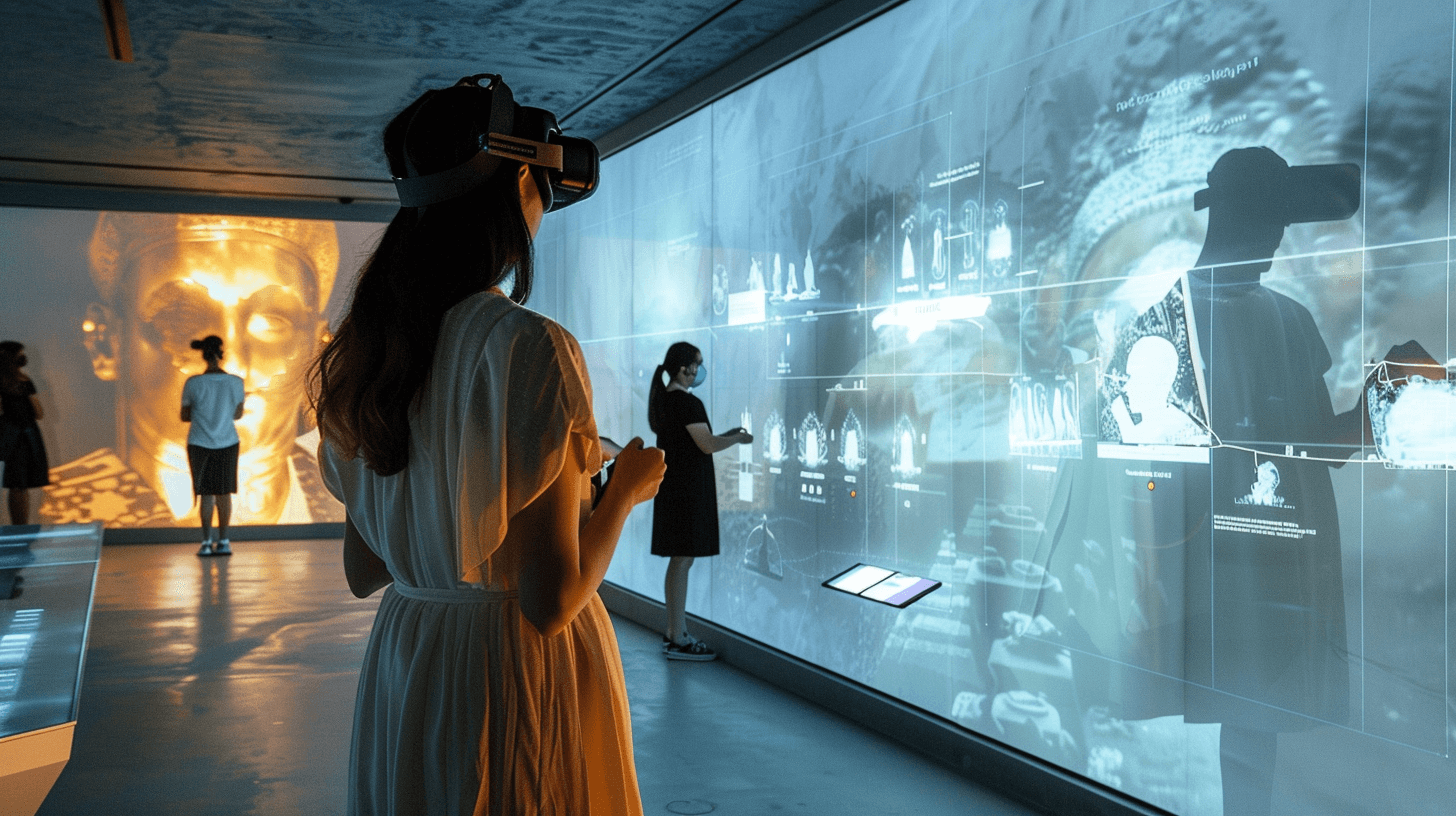
Surveys:
London tourism 2025 //Cultural Streaming 2025 // Tourism, Culture & Activities 2024 // Domestic Tourism 2023 // London Culture and Palace Interests 2022 // ROH Social interests 2022 // London Tourism 2021 // Travel survey 2020
From recovery to optimisation: how UK tourism and culture have evolved since 2020
Between 2020 and 2026, the UK’s tourism and cultural landscape has moved through recovery and into something more stable, but also more demanding. The question is no longer whether people want to travel or attend cultural experiences. They do. The question is whether what is offered feels worth it.
Across multiple surveys spanning London tourism, domestic travel, cultural attendance and streaming behaviour, a clear pattern has emerged: demand has stabilised, but expectations have increased. London reflects these shifts clearly, but the behaviour is national.
Consistent interaction with the arts from the 30–44 age group
In many of our surveys, this 30-44 age group represent that largest group of respondents. They are often the primary planners, the key decision-makers and the most reliable participants in both tourism and culture. This group is motivated by meaningful shared experiences. They want days out that feel worthwhile, particularly when with partners or children. Relaxation, shared time and “making it count” appear repeatedly in their responses.
The Influence of Under-30s
While smaller in size, 18–29-year-olds also exerts influence. They are digital-savvy, socially driven and highly responsive to peer and platform recommendations. They are also the most open to hybrid engagement, for example streaming cultural content.
The are motivated by social experiences, shareability and entertainment. Across surveys, this group consistently shows stronger engagement with digital channels and greater openness to trying new formats. To engage with these groups, brands must protect the 30–44 revenue core while also evolving to meet the expectations of under-30s who increasingly shape the cultural conversation.

A Shift in Motivation
Perhaps the most significant change since 2020 is motivational. Earlier in the period, sightseeing and traditional heritage dominated itineraries. Museums, galleries and landmark attractions were the primary drivers.
By 2025, the emphasis has shifted. Eating and drinking, relaxation and social moments are more prominent. Attractions remain important, but they function differently.
In London, icons such as the Tower of London and the London Eye do continue to anchor visits. However, they now operate within broader lifestyle itineraries.
They are part of the day, not the whole day. The modern visitor builds a set of experiences: a landmark, a restaurant, a neighbourhood, an event.
This reflects a deeper change in mindset. In 2020 and 2021, behaviour was shaped by tentative return and safety considerations. By 2022 and 2023, domestic exploration and value scrutiny dominated. In 2025, the mindset is different again and experience optimisation is key. Digital discovery is normalised, awareness is high, but commitment is selective.
Visitors are no longer asking “Can we go?” They are asking “Is it worth it?”
Culture as a Hybrid Experience
Cultural engagement has not diminished, but it has evolved.
Most respondents engage with theatre, opera or ballet occasionally. Streaming participation is strongest among under-45s and interestingly, willingness to pay is lower throughout the age groups. Price sensitivity is clear with nearly 60% citing lower pricing as a key driver when considering streaming subscriptions.
Platforms such as Shakespeare’s Globe Player illustrate how digital access has become embedded in the cultural offer. Streaming is not an substitute it is now part of the consumption mix.
The implications of this are significant. Cultural institutions are no longer competing solely with other physical venues, they are competing on a broader scale and digital access, discoverability and price all shape participation.
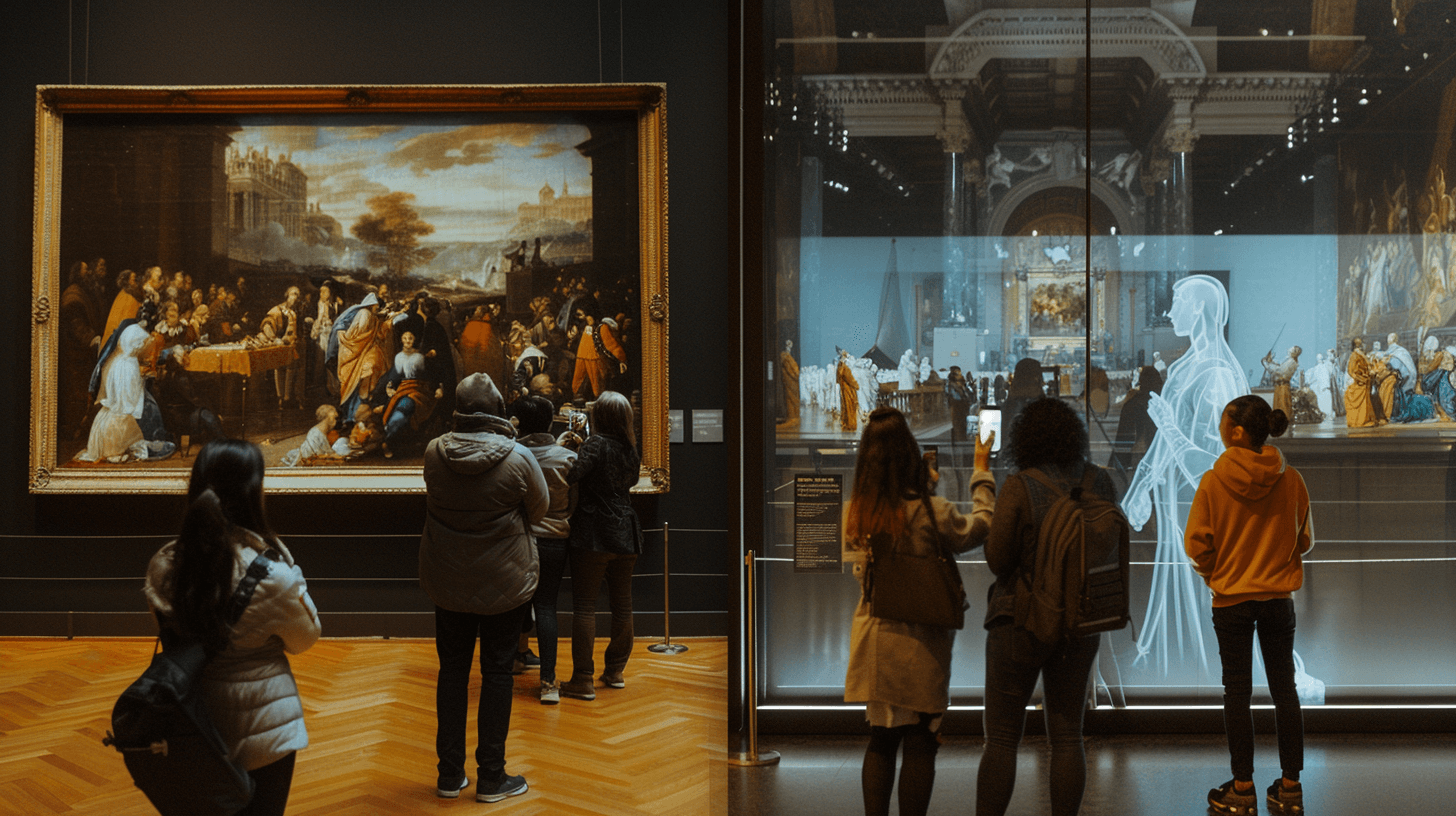
An opportunity to reflect and unwind
A common reason to spend time in arts venues was, “I find them a relaxing place to spend time.”
Providing a space for contemplation, relaxtion and the opportunity to prioritise mental health helps engage with 45-60 year olds in particular.
The Constant Pressure Point: Value
Across every dataset, one factor consistently recurs, that of price. In 2025 tourism research, 72% cite price as a key influence on decisions. Cost appears repeatedly as the primary barrier to participation, whether in heritage visits, theatre attendance or streaming subscriptions. Crucially though, the issue is not always absolute affordability, rather it is about perceived value. Visitors consider time, money and effort and weigh up competing priorities. Essentially, they assess whether the experience justifies the outlay. This is particularly visible in London, where perceptions of expense are amplified.
The competitive advantage now lies in experience design, clarity of value and the ability to convert digital engagement into meaningful, in-person participation.
The Emerging Model
Taken together, the surveys suggest that UK tourism and culture are now:
- Experience-led
- Digitally discovered
- Short-break optimised
- Value-sensitive
- Hybrid in consumption

In a world optimised for speed, museums are redesigning calm. Why experience quality — not spectacle — is the real battleground.

How synthetic audiences will reshape research in 2026, faster insights, smarter testing and the vital role of human judgement.

Meta’s Andromeda reshapes targeting, boosts automation, and increases brand dependency. Learn what it means for marketers and creative control.

Discover how Altair’s AI-driven MMM makes data-led, cross-channel planning accessible for every advertiser.