The Human Behind the Corporate Email: Why B2B is Finally Embracing Consumer-Grade Magic
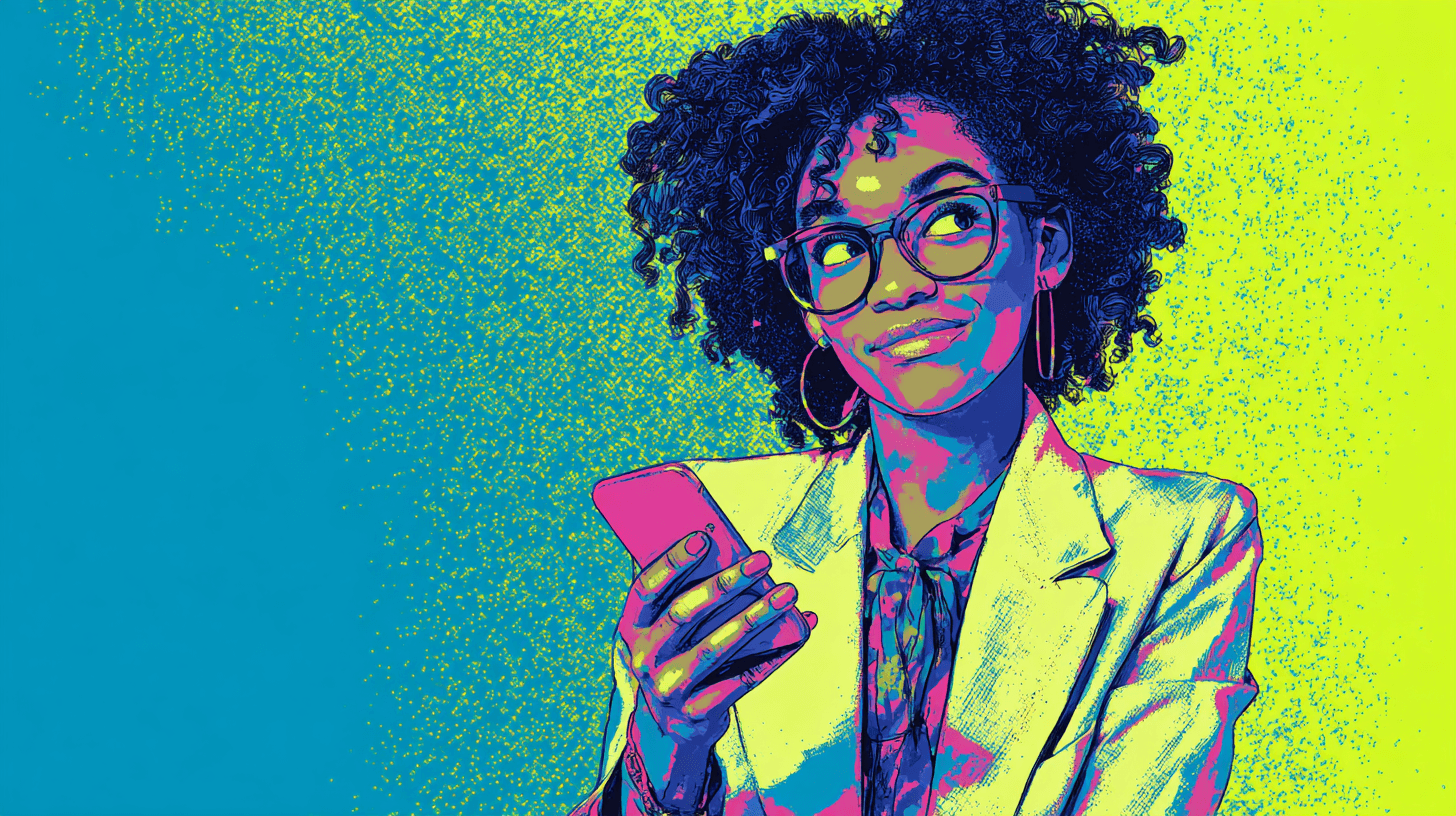
Forever it seemed that B2B marketing has operated under a bizarre collective delusion that when a professional logs into work, they shed their human skin and become a perfectly rational, emotionless algorithm.
This old belief birthed an era of relentless mediocrity.
The endless seas of corporate blue-toned advertisements.
The dense, jargon-heavy white papers that read like instruction manuals.
The hyper-fixation on product features over human benefits.
Because B2B buying cycles are long and high-stakes, marketing teams historically retreated into their specialist echo chambers, convinced they had nothing to learn from the "frivolous" world of B2C. Marketing was treated merely as a subservient arm to sales and denied the leeway to be creative, unique, or daring.
But recently the tide has turned. A quiet revolution is happening in B2B, driven by the truth that buyers are irrational human beings, and you do not need to be serious to be professional.
Breaking the Corporate Mirror
The modern B2B buyer doesn’t compartmentalise their brain. They spend their evenings interacting with world-class consumer apps, streaming beautifully produced documentaries and engaging with emotional brand storytelling. When they open their laptop on Monday morning, their expectations don’t suddenly plummet. They still crave clean design, intuitive user experiences, and narratives that make them feel something.
Forward-thinking B2B brands are shattering the old playbook by mirroring consumer-grade aesthetics. They are trading in the rigid, cold corporate identity for vibrant colour palettes, human-centric photography, and accessible, conversational language.
More importantly, they are realising that credibility is built by showing an empathetic understanding of the buyer’s daily frustrations. You can sell a six-figure enterprise solution whilst still speaking like a normal person. In fact, in an ocean of robotic corporate-speak, speaking like a human is the ultimate competitive advantage.
Bold Stories on Bigger Stages
This shift isn't just changing what B2B brands are saying, but where they are saying it. Historically, B2B marketing was confined to niche trade publications and LinkedIn feeds. Today, the most visionary brands are stepping onto consumer playing fields.
Because modern ad-tech and data targeting have evolved so rapidly, B2B marketers can now pinpoint their exact enterprise audiences on channels previously reserved for consumer giants. It is no longer shocking to see a cutting-edge fintech or SaaS brand commanding a massive Digital Out-of-Home (DOOH) billboard in a major city centre, or running a beautifully cinematic advertisement during prime-time television.
Seeing a B2B brand on TV or a high-street billboard does something powerful, it creates immediate authority and scale. It signals that the company isn't just a piece of software hiding in the background, but a cultural mainstay. It turns a B2B purchase from a dry procurement decision into a badge of pride.
The Future Belongs to the Brave
The era of playing it safe in B2B is over. The companies winning the market today are those brave enough to grant their marketing teams the creative autonomy to push boundaries.
Stop marketing to corporate titles and start marketing to the humans holding them.

AI search, zero-click results and dark sharing are reshaping the B2B SaaS buyer journey. What senior marketers need to rethink for 2026.

Why B2B SaaS marketers must move beyond lead capture and focus on value, trust, and being known across the buying group to drive long-term growth.