The Rise of Micro-Escapes: What Consumer Fatigue Means for Modern Media Planning
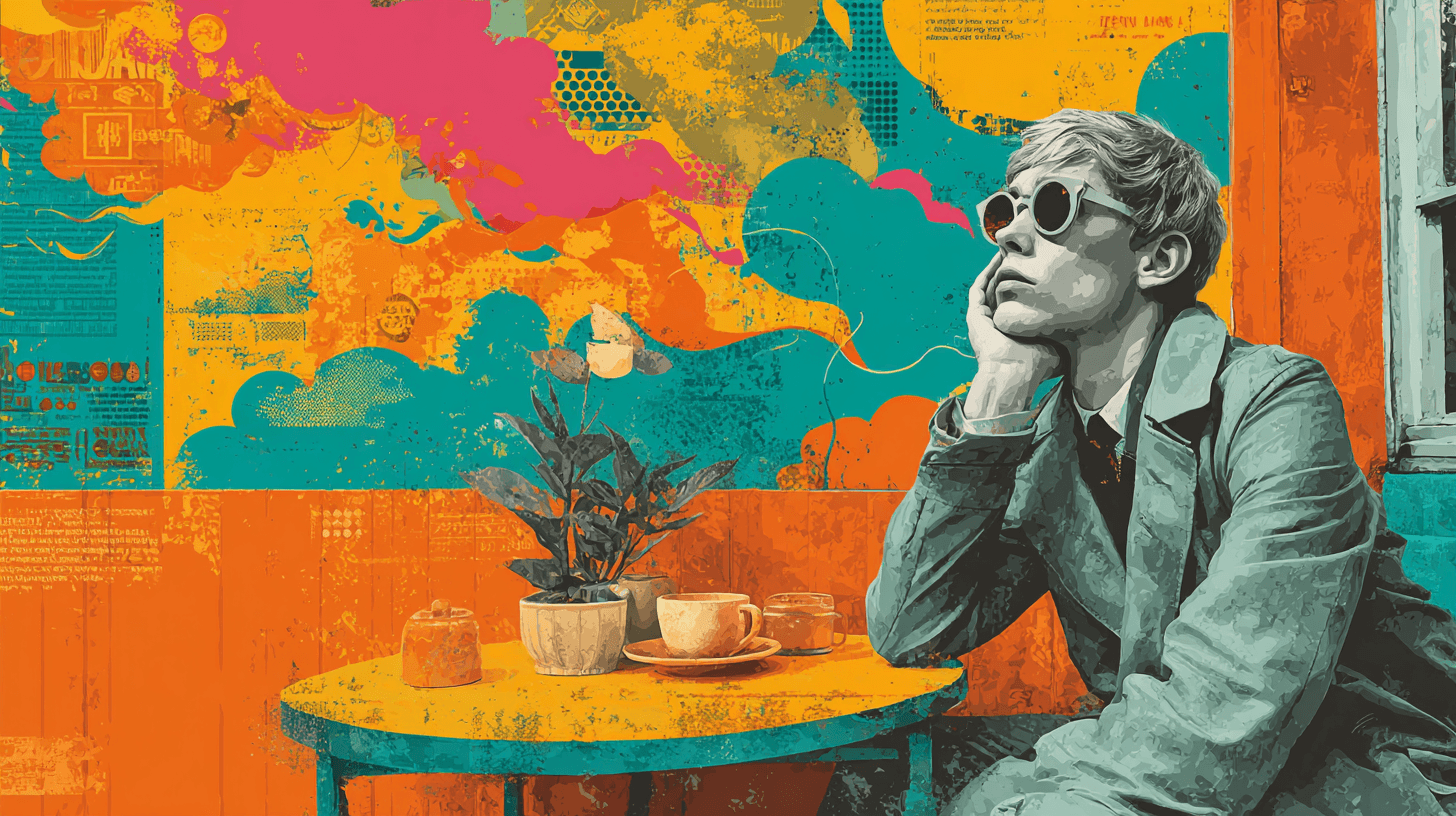
Over the past five years, Altair’s own commissioned research has consistently pointed towards a growing shift in consumer behaviour. Audiences are increasingly prioritising calm, comfort and emotionally restorative experiences over traditional aspirational lifestyles. What initially appeared to be a subtle cultural movement is now becoming far more visible in mainstream platform data.
Pinterest’s Spring 2026 trend update reinforces this through the rise of what it calls “Micro-Escapes”. Small, accessible moments of comfort and everyday wellbeing that consumers are increasingly favouring over expensive transformations or unattainable luxury.
This signals a wider behavioural reset that has important implications for media planning, creative strategy and channel selection.
For more than a decade, digital platforms have rewarded speed, intensity and optimisation. Consumers have been conditioned into endless scrolling, algorithmic stimulation and performative lifestyles. But over time, that pressure has created visible fatigue.
Instead of seeking dramatic transformation, many consumers are now gravitating towards smaller forms of emotional relief: slow mornings, reading corners, home cafés, ambient lighting, analogue hobbies, gardening, wellness rituals or nearby escapes. The appeal is emotional regulation.
And importantly, these experiences feel achievable.
Audiences are increasingly responding to content that feels emotionally reachable rather than aspirationally distant.
In many ways, Micro-Escapes represent a rejection of optimisation culture.
Increasingly, consumers appear more interested in experiences that simply make life feel calmer and more manageable.
This should force marketers to rethink not only creative strategy, but also where and how media is bought.
Too often, media planning defaults towards Google and Meta simply because they are efficient, measurable and familiar. But efficiency alone does not always create emotional resonance. If consumer behaviour is shifting towards slower, more intentional forms of engagement, brands should question whether performance-led environments built around interruption, optimisation and rapid consumption are always the right fit for every objective.
This does not mean Google and Meta disappear from the mix. They remain critical platforms. But relying on them as default solutions risks missing the emotional context in which modern consumers increasingly operate.
Platforms such as Pinterest, YouTube, podcasts, digital audio, creator partnerships, sponsorships, contextual placements and even out-of-home may become more strategically important because they align more naturally with discovery, atmosphere and intentional attention.
Pinterest, in particular, is increasingly behaving less like a social platform and more like a digital moodboard for future behaviour. Consumers arrive with intent, curiosity and openness rather than passive scrolling fatigue. That creates a very different media environment from performance-heavy feeds dominated by short attention spans and algorithmic competition.
Similarly, podcasts and long-form YouTube content often succeed because they create slower, more immersive forms of engagement. Consumers choose to spend time there rather than simply reacting to interruption-based advertising. In an attention economy dominated by noise, environments that feel calmer and more intentional may become increasingly valuable brand-building spaces.
This cultural shift also connects closely to themes explored in a recent Altair Media article examining how institutions built for slowness survive in an economy optimised for speed. In that piece we argued that cultural organisations should not attempt to compete directly with the attention economy by becoming louder or faster. Instead, their value lies precisely in offering something different: reflection, patience and intentional experiences.
The rise of Micro-Escapes suggests this desire for slowness is now spreading far beyond cultural institutions into mainstream consumer behaviour.
For media planners and strategists: attention quality matters as much as attention scale.
Brands should increasingly consider:
- environments that encourage intentional engagement rather than passive consumption
- channels that create emotional context rather than constant interruption
- creative that prioritises atmosphere over hard-sell optimisation
- partnerships that feel culturally aligned rather than algorithmically efficient
There is, of course, a danger that every brand now adopts identical “soft life” aesthetics, beige interiors, ceramic mugs and Lily Allen acoustics. The brands that succeed will be those that understand the deeper emotional tension underneath the trend, that consumers are searching for moments of relief within overstimulated lives.
Ultimately, Micro-Escapes are not simply a Pinterest trend. They reflect a wider shift in how people value time, attention and emotional space. And for the media industry, they are a reminder that the cheapest CPM or most efficient click is not always the same thing as meaningful engagement.
.png?2026-03-20T11:55:27.689Z)
Explore how culture audiences are shifting from events to experiences, driven by value, mindset and changing behaviour in 2026.

In a world optimised for speed, museums are redesigning calm. Why experience quality — not spectacle — is the real battleground.